Finding Opportunities During Down Time
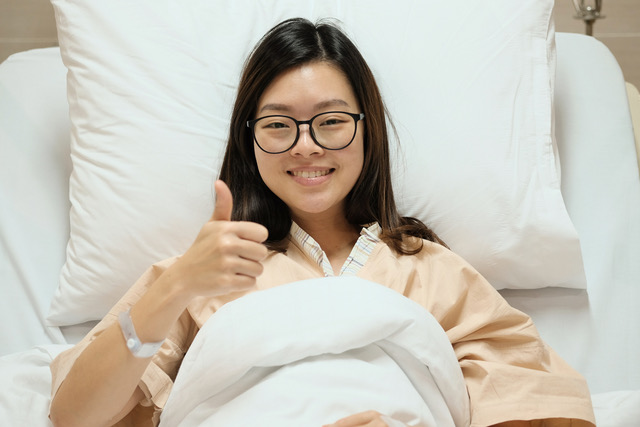
The timing never seems quite right to be out of action for one reason or another. At least not for me. Famous last words before the storm, right.
“Not now! I cannot afford to be sick… I’ll take a break after the this or that is over.”
Barring a sudden accident such as a broken leg, a torn ligament, a virus, etc…, which puts you out of commission whether you like it or not, often times you can limp through the storm, if you are anything like me. But is limping really developing your full potential? Like the time when shingles hit in between trips to the US to take care of my father. I remember saying to my GP, “I cannot deal with this now. My dad has a major surgery in just under two weeks and I have to go there.“
Calmly, he wrote out the prescription for a medicine that would leave me as high as a kite and faced his computer and began searching his calendar until he came to an appointment just before my air travel. “I will see you back here then,” he said. “And if you are fit to travel, off you go, and if not, someone else will have to step in.”
In a daze, I stumbled out of his office and made my way to a nearby coffee shop and did what came most natural—ordered a croissant and a coffee and commenced to ponder the matter. Never mind that I already knew that I had somewhat of a gluten intolerance. But as I tried to calm the noise in my head, I had a light bulb moment, something to do with taking a little more responsibility for the situation, reflecting on how I arrived in the tight spot in the first place, how I was going to get out of it and also, what I might do while in it to develop personally.
Upon reflection, I can see that my mind ran to the safety of personal development for answers, even if I didn’t understand fully what was happening. Suddenly, I realised that the food I was eating wasn’t necessarily helpful for the situation nor was the anxiety that I was courting and joining ranks with. What could I do to avoid such a crisis moving forward and if even if I couldn’t avoid it, how could I manage the situation to serve me, to get better, instead of staying in a dark or corner or causing further harm?
In this particular situation, I was able to keep moving as I wasn’t house bound or bedridden, though I was trapped in my mind and possibly in London, but I have had my moments of physical limitations, too. And upon reflection I’ve found that looking for the opportunity to grow personally while healing is a game changer. Doing so means coming back to the game, whatever it is, stronger and better. Here are some tips that have helped me:
1) Start the day on a positive note with some form of meditation. For me, that means a prayer. For others it might mean a session of mindfulness or full meditation.
2) Keep it moving physically. If you are able to walk, have a short walk. If not, find a way to do exercise from right where you are.
3) Eat foods that serve your body, not ones that are going to depress the mind and the body further. As Robyn Spens points out in our latest podcast, On Personal Development, go for whole foods. As much as I love croissants, the difference in my mental and physical capacity is amazing when I pass on them, any gluten.
4) Reflect upon personal goals. If you are on track, that is amazing! Look at ways to stay on track. If you are not, ask questions, loads of them. What are the hindrances? In the case with the bout of the shingles, I was so stressed that I was driven beyond what my body could do. I had to put the matter into perspective and then remembered a quote from a personal development trainer of sorts that I met early on in New York. “You can do anything you want but not everything at the same time.”
5) Take up a new activity. Ever fancied learning to draw or even knitting. Such activities require quieting the left side of the brain, the chatter box, and just letting things flow naturally.
6) Catch up on your reading and your UIO podcasts. Stretch the mind, use the imagination to live beyond your sick bed.
7) Write it all down. I highly recommend keeping a journal as many of the guests from our UIO podcasts suggest. Doing so gets your thoughts down and also teaches you loads about yourself.
When all is said and done, if you do these things and others that are healthy to healing, there will be less time for worrying about missing out on the game and keeping up with social media, for example. Sure, the odd moment or two to stay connected to the world is important but the most important thing is reconnecting to self and working on developing your full potential in the space you are in. And if that is on your sick bed, go for it and get well soon.
I did—the trip to the US was far more rewarding for both me and my father.